If there’s one thing we explain to new customers all the time, it’s that pool care is really about consistency.
A lot of people think maintaining a pool means cleaning it once in a while or adjusting chemicals when the water looks off. But pools don’t work that way, especially in warmer climates like Houston where heat accelerates algae growth and chemical loss.
In fact, a pool that isn’t maintained properly can turn green in less than a week.
Pools Need Consistent Attention, Not Occasional Cleaning
One of the most common problems we see happens when homeowners try to stretch service visits or switch to bi-weekly cleaning.
At Acorb Pools, we don’t offer bi-weekly service because it simply isn’t enough.
Weekly visits aren’t just about removing leaves or vacuuming debris. During every visit we:
- Balance chemicals
- Check sanitizer levels
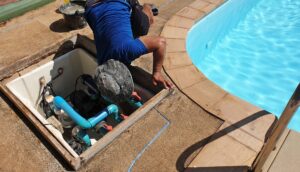
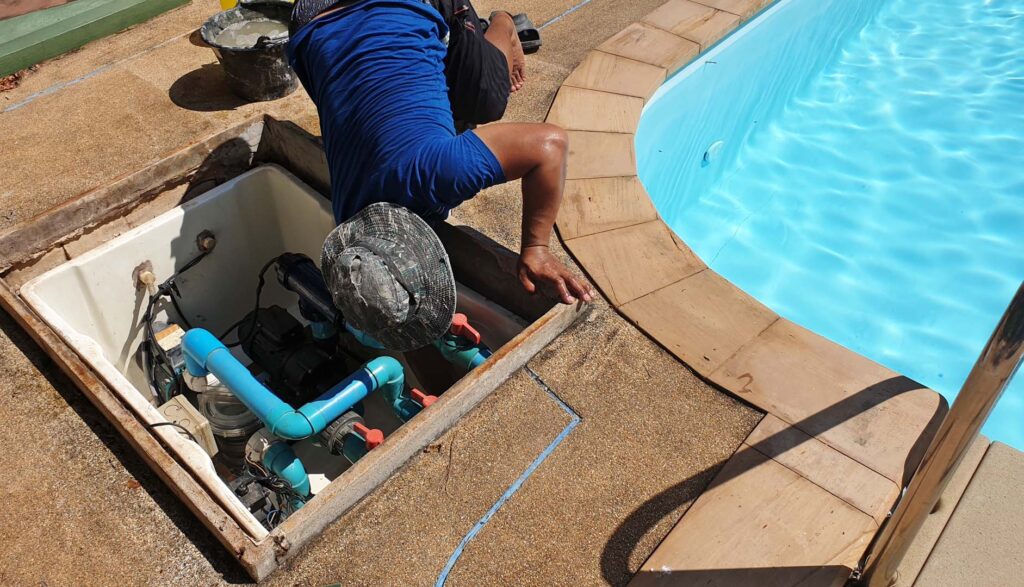
- Inspect equipment
- Look for leaks
- Monitor filter pressure
- Verify circulation
Skipping those inspections allows small problems to build quietly.
That’s why we always recommend consistent weekly residential pool service instead of waiting for something to go wrong.
Chemical Balance Changes Faster Than You Think
Many homeowners are surprised by how quickly chlorine disappears.
Chlorine is the main sanitizer keeping bacteria and algae under control. Heat, sunlight, and swimmers all reduce it faster than people expect.
When chlorine drops too low, algae begins growing almost immediately.
Sometimes customers assume they’re saving money by stretching visits. But what usually happens is they end up paying more later for a green pool recovery instead of simple maintenance.
If a pool turns green, restoring it takes significantly more chemicals, labor, and time compared to preventing the problem in the first place.
Weekly Service Is Also About Equipment Protection
Another misunderstanding is that pool service is only about water quality.
A large part of weekly visits happens behind the scenes.
During service, we check:
A loud pump motor, for example, can be an early warning sign of failure.
Catching that early during routine inspections often means a smaller repair instead of a full replacement later.
That’s why routine inspections included in pool equipment repair services planning save customers money over time.
Commercial Pools Need Even More Attention
Usage matters.
Residential pools typically need weekly service.
Commercial pools often require cleaning two or three times per week because more swimmers consume chemicals faster and introduce contaminants.
If circulation or chemistry slips even briefly, water quality declines quickly.
That’s why many property managers rely on consistent commercial pool service programs rather than reactive cleaning.
Small Problems Become Big Repairs
Pools are similar to cars.
You wouldn’t expect a vehicle to run perfectly for years without oil changes or inspections.
Pools are the same.
Leaks develop from normal wear and tear. Filters clog. Motors age.
Without preventative attention, those issues become emergency repairs.
In many cases, we’ve helped customers avoid urgent breakdowns simply because regular inspections caught warning signs early.
If equipment suddenly stops working or a pool begins turning green, customers often need faster help through emergency pool service support.
The Bottom Line
Most expensive pool problems don’t start as big problems.
They start as small issues that went unnoticed.
Weekly maintenance gives technicians the opportunity to catch early signs before damage spreads to equipment or water quality.
If you’re unsure whether your current maintenance routine is protecting your pool long-term, it can help to have a professional review your equipment and water balance during a regular service visit.