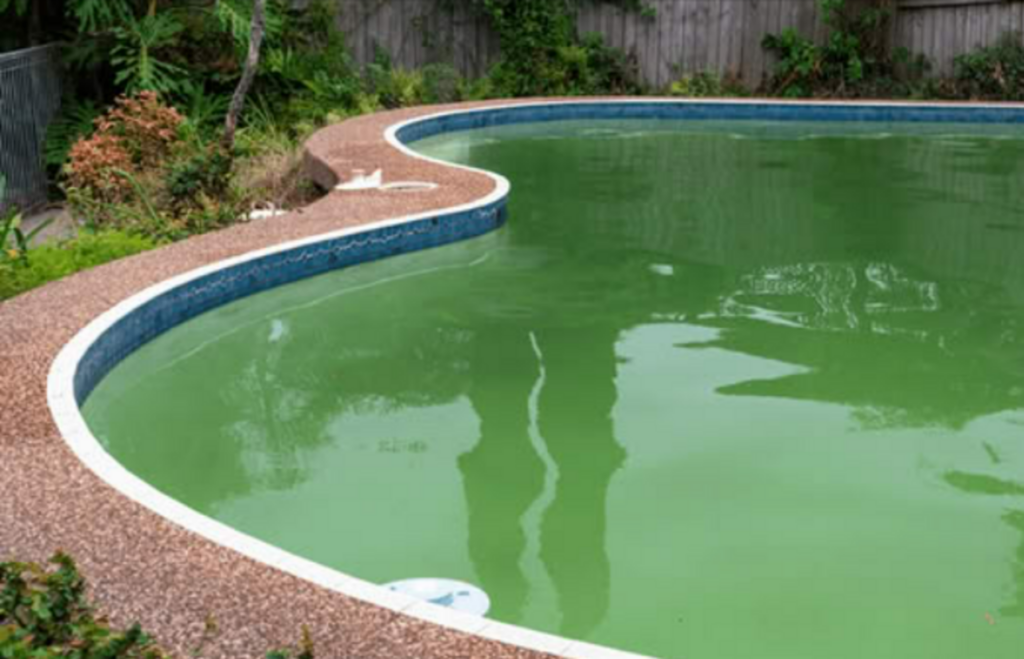
Not all algae are the same and neither are algaecides. Using the wrong one can lead to foam, stains, or algae coming right back.
Here’s a quick technical breakdown

Quaternary Ammonium (Quat) Algaecides
Surface-active compounds that disrupt algae cell membranes
Good for prevention or very light algae
Can cause foaming and are easily broken down by chlorine
Polyquat Algaecides
Polymer-based, non-foaming quaternary compounds
More stable in chlorinated water
Effective for prevention and mild-to-moderate algae
This is the most reliable option for ongoing maintenance
Copper-Based Algaecides
Use copper ions to interfere with algae metabolism
Strong against persistent algae, especially black algae
Can stain surfaces and turn hair green if overdosed
Sodium Bromide (Mustard Algae Treatment)
Reacts with chlorine to form bromine, a strong sanitizer
Highly effective for yellow/mustard algae
Changes pool chemistry and must be carefully controlled
Important: sodium bromide-based algaecides have been banned in Texas for pool use.
Important:
Algaecides are not the primary solution.
Algae growth is controlled mainly by:
Proper free chlorine levels
Good circulation and filtration
Regular brushing and vacuuming
Algaecides are support tools, not a substitute for proper maintenance.
How we handle green pools at ACORB POOLS
We don’t just “shock and hope.”
Identify the algae type
Apply the correct treatment strategy
Vacuum to waste when needed (removes dead algae instead of just filtering it)
Balance water chemistry precisely
Check equipment to prevent the problem from coming back
That’s how you go from green to crystal clear and keep it that way.
Ready to fix your pool the right way?
Call or text: 832-818-8584
Email: info@acorbllc.com
Website: https://acorbpools.com
ACORB POOLS — We go beyond skim + go.