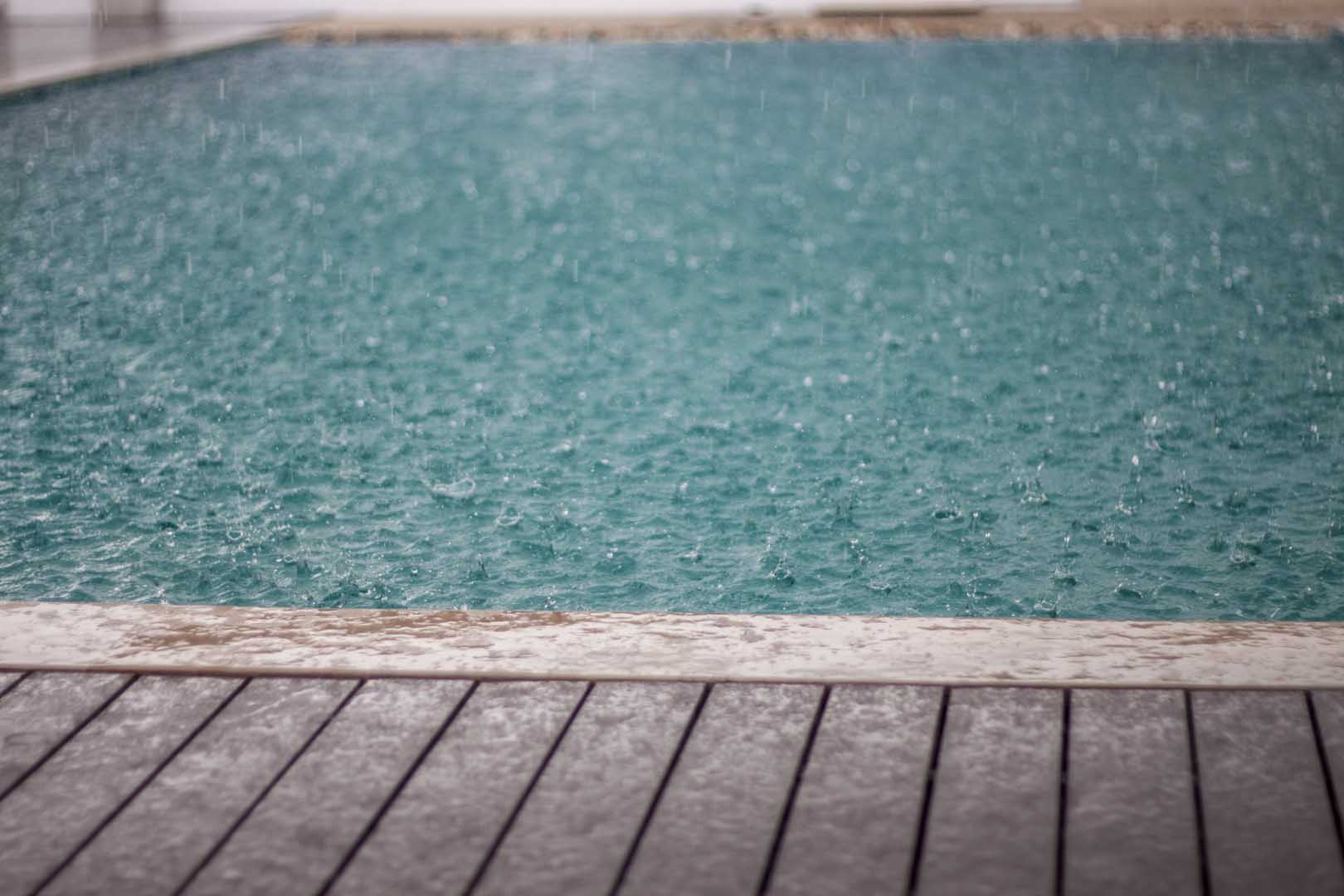
How Heavy Rain Affects Your Pool Water
Heavy rain can dilute pool chemicals, introduce debris, and strain your filtration system. Learn how to protect your pool after a storm.
Heavy rain can dilute pool chemicals, introduce debris, and strain your filtration system. Learn how to protect your pool after a storm.
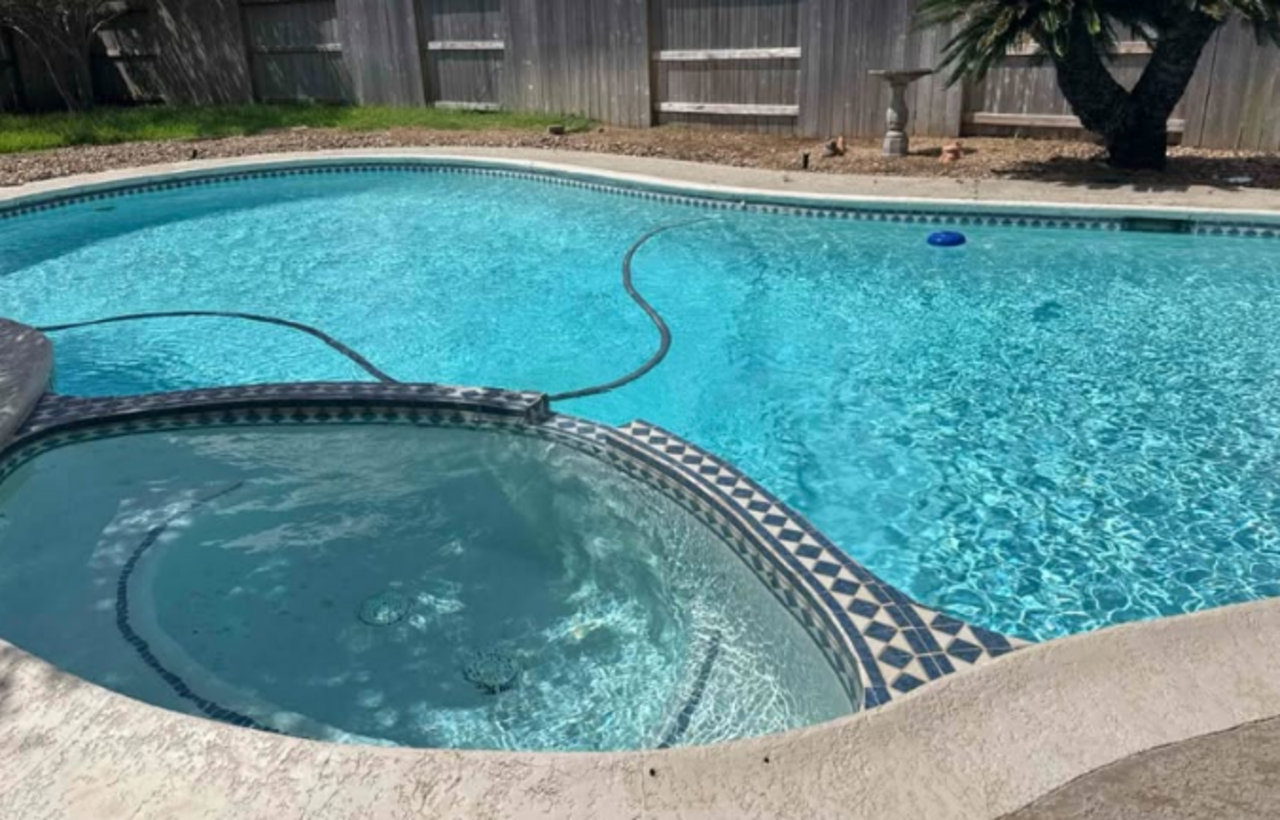
Think a strong chlorine smell means too much chlorine? Think again! 🧪 Learn why chloramines cause eye irritation and cloudy water, and find out how ACORB POOLS can restore your pool’s balance today. 💧

💦 Extreme temperatures and frequent swimming demand 10 to 12 hours of daily circulation to keep algae and cloudy water away. Don’t let improper runtime or a dirty filter ruin your sunshine keep your pool crystal clear and ready for summer fun with ACORB POOLS. 🌊✨
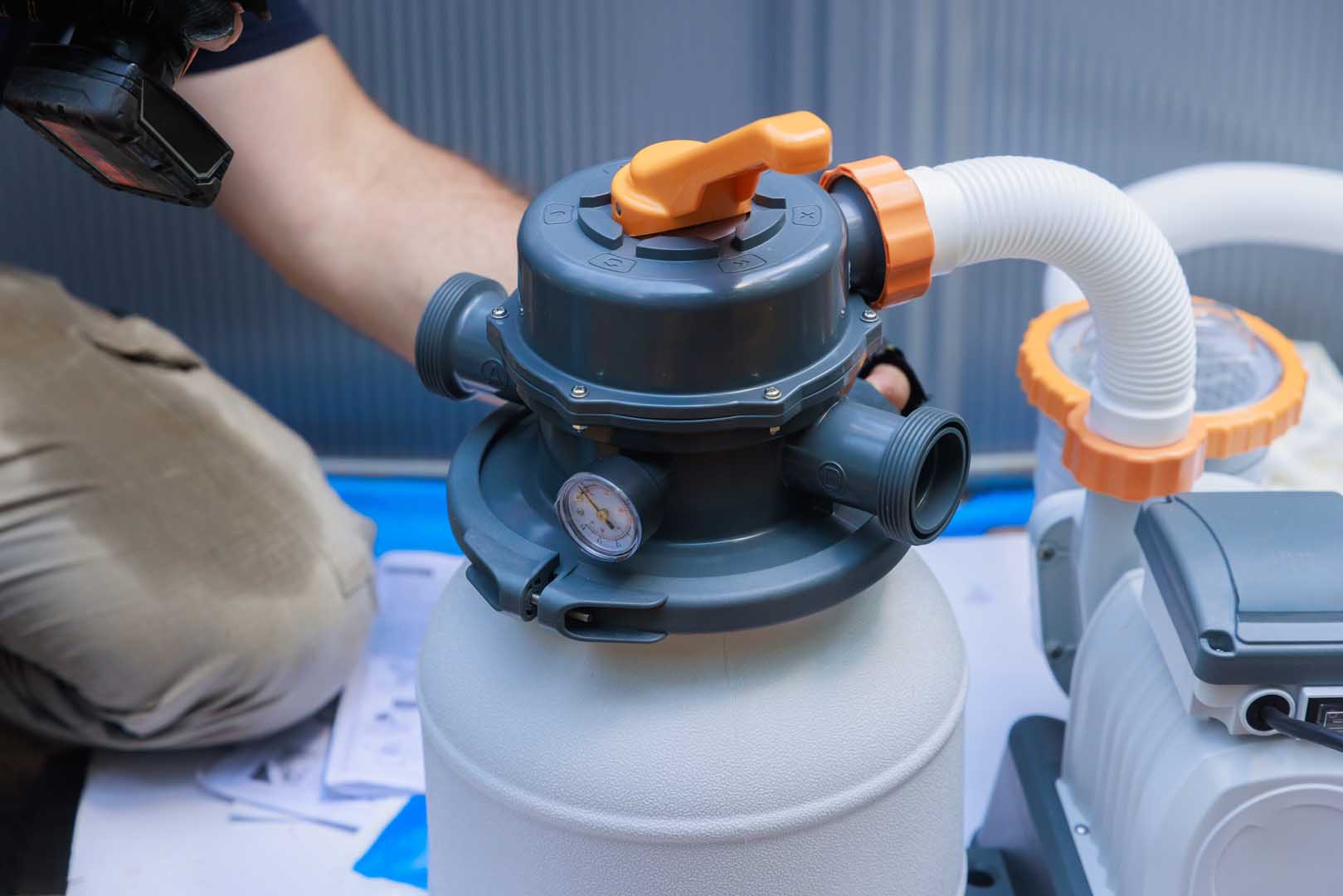
Pool maintenance is more than adding chemicals. Discover how circulation, filtration, cleaning, and equipment inspections keep your pool safe and efficient.